
Fotos by FAO
For many decades, discussions about the right to food were largely situated within the fields of development policy, food security strategies, agricultural transformation, and poverty reduction. Hunger was generally understood as a structural problem related to inequality, economic exclusion, weak governance, or environmental stress. Armed conflict, while recognized as an important driver of food insecurity, was often treated as one factor among many.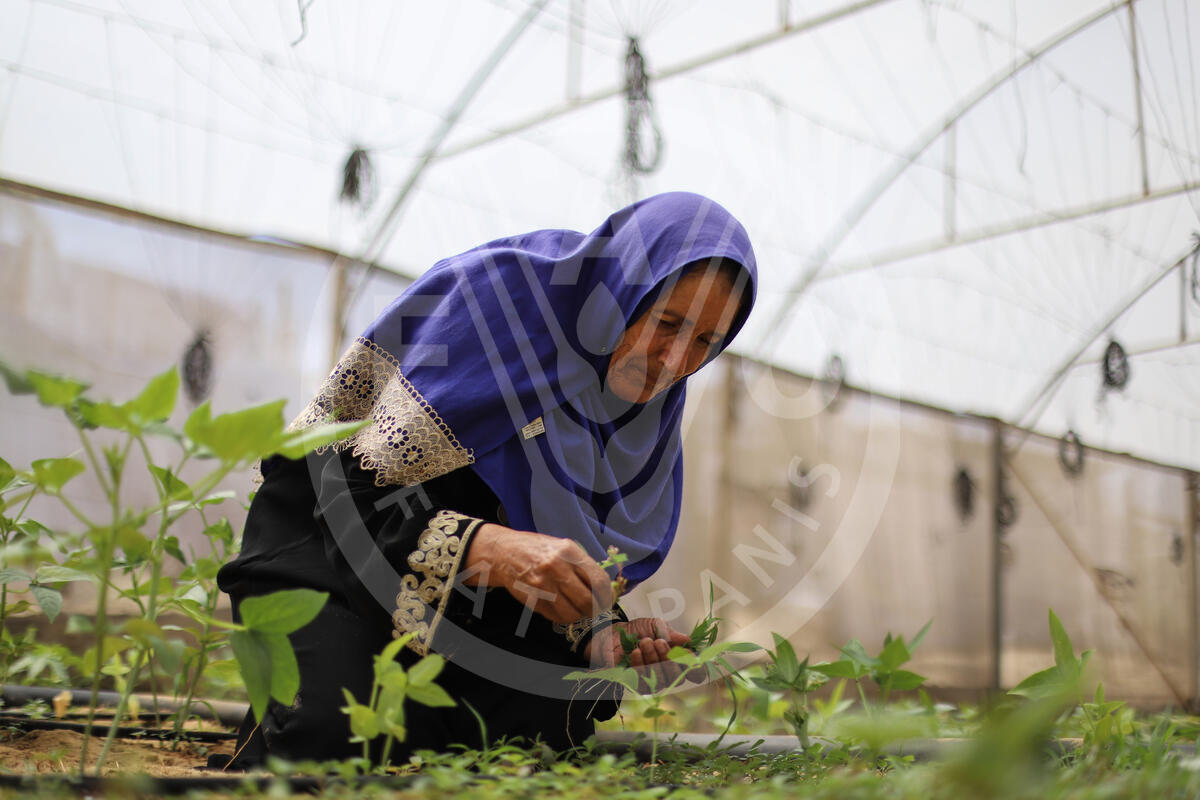
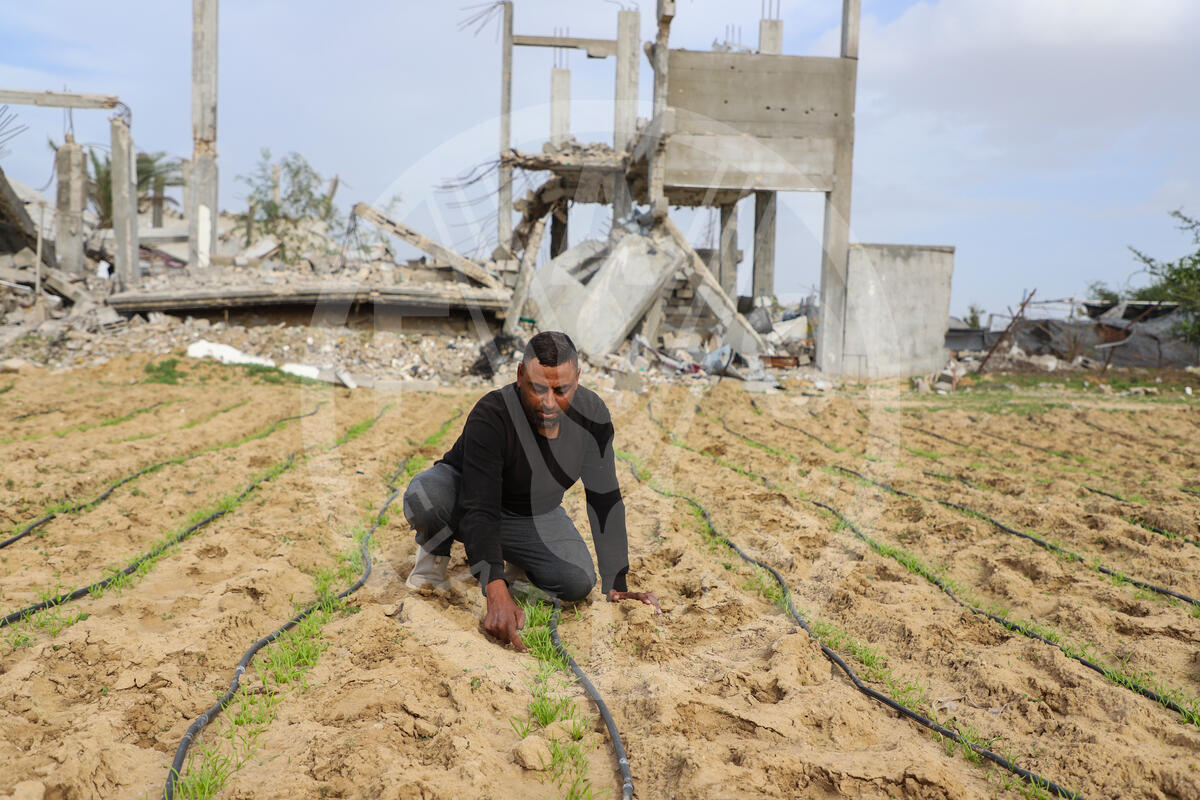
Agricultural lands are destroyed or rendered inaccessible, irrigation systems and storage facilities are damaged, markets collapse, transport routes are blocked, and rural populations are forced to flee their livelihoods. These disruptions reverberate across entire food systems, undermining not only food production but also distribution, access, and stability. The result is a profound erosion of the conditions necessary for the realization of the right to adequate food.
Understanding these dynamics requires moving beyond a purely humanitarian lens. It requires recognizing that food systems themselves have become arenas of conflict.
The Legal Foundations: The Right to Food in Times of War
From the perspective of international law, the right to adequate food remains fully applicable during armed conflicts. The obligations derived from international human rights law do not simply disappear in times of war. Rather, they continue to operate alongside the rules of international humanitarian law, creating a complementary framework for the protection of civilians.
The International Covenant on Economic, Social and Cultural Rights recognizes the right of everyone to adequate food and the fundamental right to be free from hunger. These obligations apply to states at all times, including during situations of armed conflict and occupation. States are required to respect existing access to food, protect populations from actions that undermine that access, and take steps to ensure that food is available and accessible to those who cannot secure it for themselves.
At the same time, international humanitarian law, the Geneva Conventions, establish clear prohibitions that reinforce these protections. The starvation of civilians as a method of warfare is prohibited. Parties to conflict are forbidden from attacking, destroying, removing, or rendering useless objects indispensable to the survival of the civilian population, including crops, livestock, drinking water installations, and irrigation systems.
Taken together, these legal norms form a powerful framework. They affirm a simple principle: even in the midst of armed conflict, the basic conditions necessary for human survival must remain protected.
The Weaponization of Food Systems
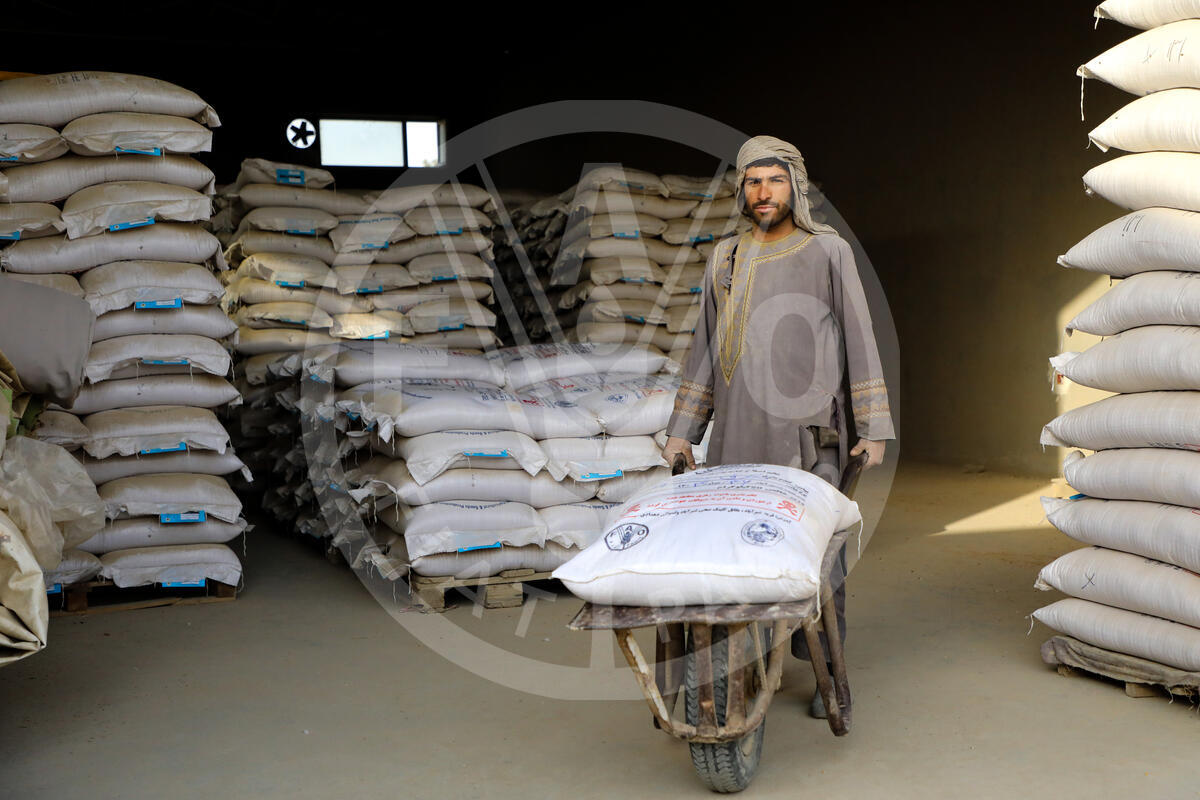
Food production systems are frequently disrupted through the destruction of agricultural infrastructure, the contamination of land, or the occupation of fertile areas. Market systems are weakened or dismantled through blockades, restrictions on movement, and the fragmentation of supply chains. Humanitarian access is often limited or obstructed, preventing assistance from reaching populations in need.
These dynamics create cascading effects that extend far beyond immediate food shortages. Rural livelihoods collapse, families lose their primary sources of income, and entire communities become dependent on humanitarian aid. Local markets shrink or disappear, further reducing access to food even when it is physically available.
In many situations, the erosion of food systems contributes directly to displacement and instability. When people lose the means to sustain themselves, migration becomes not only a survival strategy but often the only available option.
This is why the concept of the “weaponization of hunger” has gained increasing attention in international debates. Hunger, in these contexts, is not accidental. It becomes embedded within the broader logic of conflict.
Beyond Emergency Response: Protecting Food Systems
Ensuring access to food during armed conflicts is not only a matter of quantity but also of quality, safety, and nutritional adequacy. In many conflict situations, the collapse of food systems is accompanied by a sharp deterioration in food safety standards and dietary diversity. Disrupted supply chains, damaged storage facilities, lack of clean water, and weakened regulatory oversight can increase the risks of food contamination and foodborne diseases. At the same time, populations often become dependent on a narrow range of emergency food sources that may meet immediate caloric needs but fail to provide the nutrients required for healthy development and long-term wellbeing. This has particularly severe consequences for children, pregnant and lactating women, and other vulnerable groups.
Integrating food safety and nutrition considerations into humanitarian responses and recovery strategies is therefore essential to ensure that the right to adequate food is fully realized even in contexts of conflict.Addressing hunger in conflict situations cannot be limited to the delivery of humanitarian food assistance. While emergency aid remains indispensable for saving lives, it is not sufficient to address the deeper structural dynamics that drive food insecurity in conflict zones.
A right-to-food perspective encourages a broader approach. It focuses on protecting the functioning of food systems even in the midst of crisis. This includes safeguarding agricultural production, maintaining access to land and natural resources, protecting markets, and supporting the resilience of rural livelihoods.
It also requires strengthening legal and institutional frameworks that protect the rights of affected populations. Access to justice, mechanisms for dispute resolution over land and natural resources, and the recognition of customary tenure systems can play critical roles in preventing conflicts from escalating into deeper food crises.
Equally important is the recognition of the knowledge and capacities of local communities. Pastoralists, smallholder farmers, and indigenous communities often possess sophisticated systems for managing land, water, and mobility under conditions of environmental variability. When these systems are disrupted by conflict, the consequences for food security can be severe.
Protecting these forms of local governance and knowledge is therefore an essential component of safeguarding the right to food.
Accountability and the Future of Food Security in Conflict
One of the most significant implications of framing hunger through the right to food is the question of accountability. When hunger is treated merely as a humanitarian problem, responses tend to focus on relief and recovery. When it is understood as a violation of rights, the focus shifts toward responsibilities and legal obligations.
States and other actors involved in conflicts have clear duties under international law. They must refrain from actions that undermine food systems, protect civilians’ access to food, and allow humanitarian assistance to reach those in need. Violations of these obligations are not simply unfortunate outcomes of war; they can constitute serious breaches of international law.
Strengthening monitoring mechanisms, improving documentation of violations, and enhancing international cooperation are essential steps for ensuring that these norms are respected in practice.
Reaffirming a Fundamental Principle
Ultimately, the right to food in armed conflict is about reaffirming a fundamental ethical and legal principle. Even in the most extreme circumstances of violence, the basic conditions necessary for human survival and dignity must remain protected.
Food is not merely a commodity or a development objective. It is a human right and a cornerstone of social stability. When food systems collapse, societies themselves begin to unravel.

Recognizing and protecting the right to food during armed conflicts is therefore not only a humanitarian imperative but also a critical element of building pathways toward peace, resilience, and recovery.
In a world where conflicts are increasingly complex and prolonged, ensuring that hunger is never used as a weapon remains one of the most urgent challenges for the international community.


No hay comentarios:
Publicar un comentario